Messy data? Complicated systems?
Let's get stuck in!
I help businesses understand their data, solve difficult problems and improve the systems and processes behind their work.
I bring over a decade of hands-on experience in data engineering, software development and technical leadership.
You know your business. I'll bring the technical expertise, curiosity and practical thinking to help you move forward.
Integrated Master of Oceanography
University of Southampton
Scientific rigour, critical thinking and understanding complex natural systems and real-world data.
12 Years in Data & Systems
British Oceanographic Data Centre
Software engineering, systems architecture, programme management, critical operations and technical leadership.
Data Science, Machine Learning & AI
University of Cambridge
Building on established expertise with modern data science, AI and machine learning career accelerator.
Hello, I’m Katie
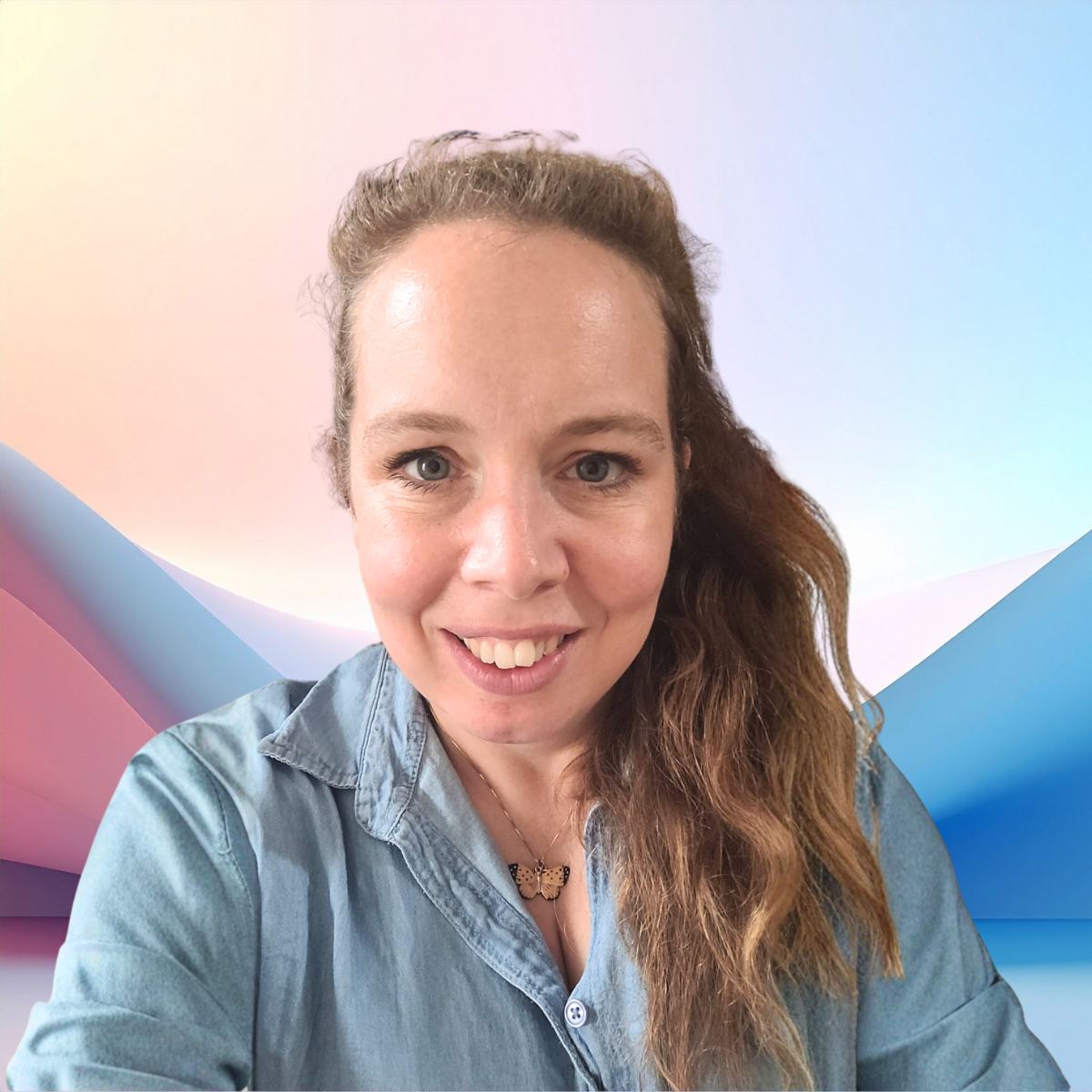
Katie Gowers
Independent data and systems specialist
I have spent most of my career making complicated scientific data systems work, designing and building databases and software, improving critical operational processes, and leading the teams responsible for them. These systems have delivered data to international weather forecasting organisations and researchers at the forefront of climate research.
I love getting into the details of how things work, especially when the problem is not well understood. For me, that means listening to the people doing the work as carefully as I examine the data or code, asking awkward questions when needed and finding solutions that actually help.
Outside of work, you’ll usually find me hanging out with my son and his mischievous fluffy elephant, weightlifting or photographing wild mushrooms.
You Might Need My Help If:
Your data is messy.
Your operational data is in multiple places, inconsistent or difficult to use - and you need to turn it into something you can actually make decisions from.
You know there’s an opportunity, but not the solution.
You have a business problem or idea but no technical specification, or you’re unsure whether AI, machine learning or a simpler solution is actually appropriate.
Your processes aren’t working.
Manual, slow or fragile data processes are taking up time, creating bottlenecks or making it difficult to grow.
The technical and business worlds aren’t connecting.
You need someone who understands both the business problem and the technical details, asks the right questions, and helps everyone work toward a practical solution.
I've worked with scientific data and built the systems behind it
I've worked across scientific data management, software engineering and operational delivery, often wearing several hats at once.
I've worked directly with messy datasets, designed and built complex software systems and managed critical operational services.
Getting my hands dirty with real-world data
I've spent years working directly with messy, complex scientific datasets across physical, chemical, biological and other scientific disciplines.
Quality controlling measurements, recording metadata, documenting datasets and chasing down missing information. Asking scientists about mysterious column headings, missing units, sampling locations and methods — and working out why two spreadsheets supposedly containing the same data told different stories.
That experience taught me that understanding data means understanding where it came from, what it represents, how reliable it is and what might be missing.
It's a foundation I still bring to every data problem I tackle.
Designing and building complex systems
I've personally designed and developed relational databases and automated software for data ingestion, decoding, quality control, storage and delivery.
I've extended large, complex legacy systems to accommodate new technologies while protecting existing operations. I've also designed reusable, configuration-driven solutions that replaced repeated bespoke development.
From understanding requirements and designing the architecture through to writing code, testing and controlled production releases, I've done the hands-on engineering.
Keeping critical systems running
I've been responsible for near-real-time operational systems supporting international weather forecasting and climate research.
One of those systems worked towards an international target of delivering decoded, processed, quality-controlled and fully documented scientific data within 18 hours of an ocean float transmitting its measurements.
That responsibility involved understanding complex dependencies between software, databases, and data files; managing production changes; introducing safer development and release practices; and building monitoring and diagnostic tools. I've also led major incident response and data recovery. I understand the responsibility that comes with keeping critical systems running.
I've spent over a decade living and breathing data — analysing it, questioning it, building systems around it and keeping those systems running. More recently, I've built on that experience through Cambridge's Data Science with Machine Learning & AI Career Accelerator, developing my knowledge of statistical modelling, machine learning and large language models (LLMs), with a focus on applying these techniques to real-world business problems.
Case Studies
90% less operational overhead
Technical Systems Modernisation
I redesigned a legacy scientific data pipeline, cutting daily manual triage from five hours to 30 minutes and clearing a six-project development backlog.
Can AI save time without taking over your voice?
AI-Assisted Content Workflow
A practical experiment in using AI to plan and create LinkedIn content while keeping judgement, personality and human review firmly in the process.
Want to hear from people I've worked with?
Read recommendations from former colleagues and managers on LinkedIn →
I've also led the teams that keep those systems running.
Alongside the technical work, I've also been responsible for the people, projects and decisions that make complex systems and programmes work.
Leading development, programmes and people
Alongside hands-on engineering, I've managed software development projects, technical teams, priorities and resources, including securing additional funding.
I've introduced more structured development processes, improved documentation and diagnostics, and helped colleagues develop the knowledge and confidence to take on greater responsibility.
I've also managed data delivery for a multidisciplinary Antarctic research programme, coordinating scientists and data managers across different organisations and disciplines.
Some of my proudest achievements are things we accomplished together as a team.
Working across organisations and internationally
I've represented the UK in international scientific collaborations, working with scientists, engineers and data managers around the world to share ideas, develop technical approaches and contribute to internationally agreed procedures and standards.
I've also served on the management board of Euro-Argo ERIC, a European research infrastructure consortium.
That experience has given me a real appreciation of the importance of collaboration, clear communication and bringing different perspectives together when tackling complex problems.
How I Got Here

An unexpected journey into data.
It started with the sea…
Childhood holidays by the coast, competitive sailing as a teenager and hours spent sitting on cliffs watching the waves. I was fascinated by the ocean long before I knew where that curiosity would take me.

Almost six weeks at sea, icebergs and a blowtorch
Studying oceanography led me aboard a research ship bound for Greenland. There were science experiments, storms, a blowtorch for sealing seawater samples and an engine failure in iceberg territory. Not your average university experience.

Tsunami or dodgy instrument?
My early career included working with sea-level measurements from across the world, figuring out whether unusual readings were instrument problems or genuine events such as storms and tsunamis.

A little closer to the South Pole
I became responsible for managing oceanic and atmospheric data from an Antarctic research programme. The science was taking me to some extraordinary places — even when I wasn't physically there.
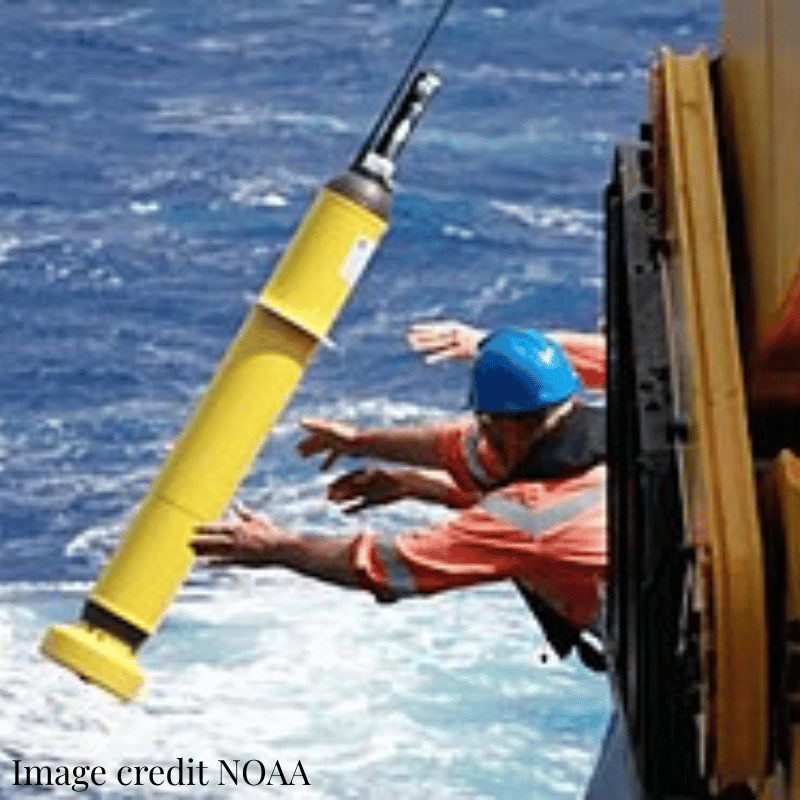
Then came the ocean robots
Thousands of autonomous floats travelling through the oceans, collecting measurements and sending their data home by satellite. I ended up responsible for the UK systems that helped turn those messages into usable scientific data for weather forecasts and climate research.

Apparently, science can take you to Bermuda
I've collaborated with scientists and data managers from around the world, sharing ideas, exchanging code and making decisions about international scientific programmes. One of those meetings took me to Bermuda — not a bad spot for a work meeting!

Still curious, still learning
Years later, I returned to study through the University of Cambridge's online AI and Machine Learning Career Accelerator and then began a new chapter as an independent data specialist.
Who I Work With
I partner with founders, business owners, creative specialists and operational leads.
If you know your domain, your business, or simply the problem you want to solve, that’s enough to get started.
You don’t need to arrive with a technical specification or know what the solution should be.
What Working With Me Looks Like
01
Business-First Communication
I won't talk tech unless you want to. I start by understanding your story, the questions you need answered, and the metrics that drive your decisions. The right technology follows the strategy - never the other way around.
02
I provide tailored project options suited to your budget, timeline, and required complexity so you can decide on the direction with confidence.
Flexible Project Options
03
I will never sell you a service or system you do not need. If a simple spreadsheet or lightweight script solves your problem better than a complex model, I will tell you.
Commercial Integrity
04
Whether it's a clearer understanding of your data, a more reliable system or an improved process, the work should make a tangible difference. I'm interested in solutions that actually help, not technology for its own sake.
Practical Outcomes
05
You should always understand where the project is, why we are taking a particular direction, and what comes next. I take responsibility for the technical work, while keeping you informed and in control of the business direction.
Shared Ownership
Explore a Fixed-Scope Offer
Curious about how a project might be structured and priced?
I work on a wide range of data and systems projects, but here's one example of a service I've scoped into three clearly priced tiers.
Check out my tiered Customer Review Analytics Service, which turns unstructured customer feedback into business strategy.
Tier 1: Customer Insight & Action Report — £1,750
Find the customer issue that matters most, understand why it matters, and leave with clear next steps.Tier 2: Customer Experience Improvement Blueprint — £5,000
Turn deeper review analysis into a practical 90-day improvement plan, with priorities, responsibilities and clear measures of success.
Tier 3: Bespoke Customer Insight System — from £10,000
Build an ongoing system your team can use to monitor customer feedback, spot emerging issues and support regular decisions.